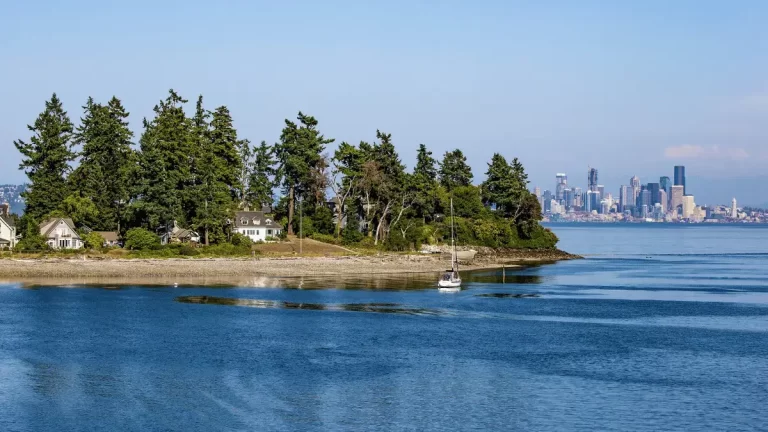
The Seattle mountain ranges you can see from the city are the iconic Cascade Range to the east and the Olympic Mountains to the west. Seattle’s Mount Rainier is the highest peak in the Cascades and is clearly visible from the city. It’s located south-southeast of Seattle and is about 60 miles away.
While Seattle has no mountains in the city limits, the nearby Seattle mountains are Mount Rainier, Mount Si, Olympic Mountains, Mount St. Helens, Mount Adams, and Mount Baker. You cannot see all these mountains from Seattle, but they’re all just a short drive away. Let me share more about these 7 legendary mountains in and around Seattle.
7 Nearby Seattle Mountains You Can See From the City

Pro Tips for Mountain Hikers & Visitors:
Without further ado, let’s get to the mountains near Seattle.
 Mount Rainier
 Mount Si
 Olympic Mountains
 Mount St. Helens
 Mount Adams
 Mount Baker
 Glacier Peak
 Mount Rainier from Seattle
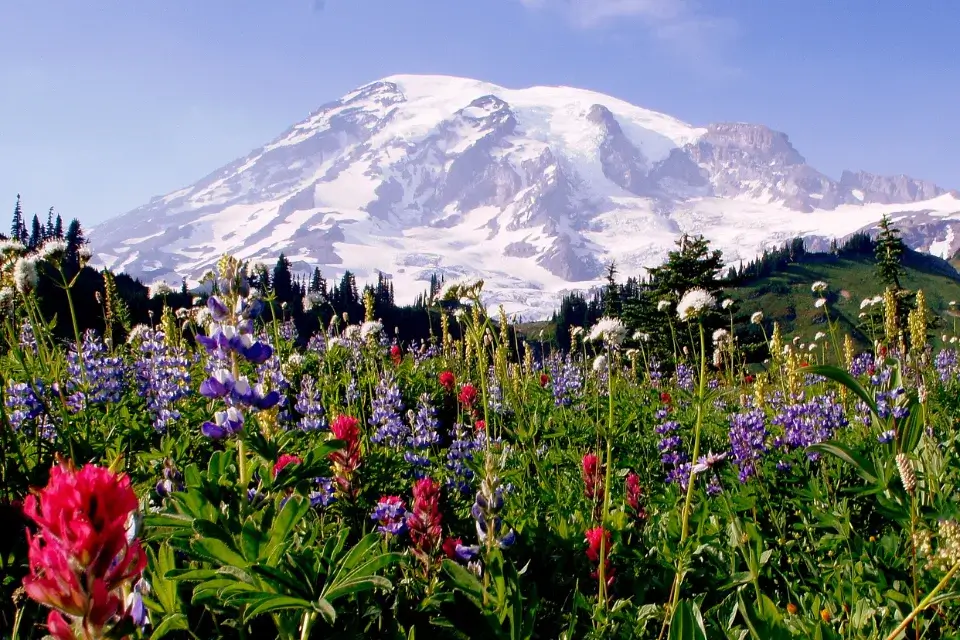 Mount Rainier in Winter
1/ Mount Rainier – 14,411′
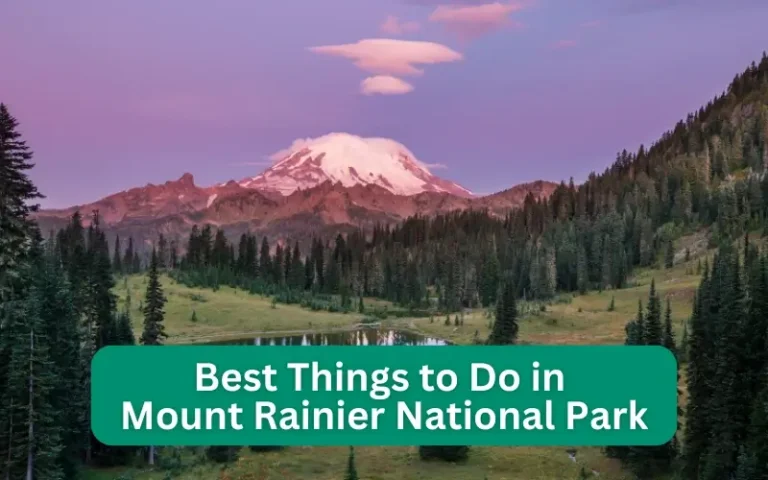
The mountain you can clearly see from Seattle is Mount Rainier, the highest peak in Washington. The towering stratovolcano in the Pacific Northwest stands at 14,411 feet tall. It’s the city’s top nearby attraction for outdoor lovers and one of the reasons why people visit Seattle.
Mount Rainier is the closest mountain to Seattle, located about 60 miles away. Its stunning beauty offers breathtaking views for hikers in the Pacific Northwest and provides some of the best hiking opportunities near Seattle. Join this expert-guided group to explore the highlights of the mountain, with a picnic at Paradise and snowshoeing in winter.
Named after Peter Rainier, a British naval officer, it’s known for its massive, year-round snowcap and as the centerpiece of Mount Rainier National Park. Rainier is one of the most dangerous volcanoes in the world due to its large size and proximity to densely populated areas.
Activities:
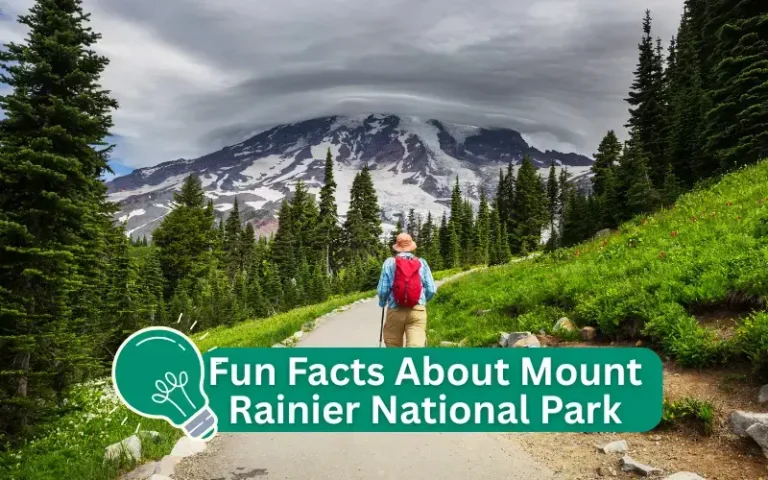
Summer activities include hiking many trails, like the popular Wonderland Trail that goes around the mountain. For experienced climbers, there are challenging routes on Disappointment Cleaver and Emmons Glacier. Explore more things to do in Mount Rainier National Park here.
Apart from hiking, you can also go for Seattle mountain biking. Choose from these stunning 5-hour rides that showcase the stunning Pacific Northwest terrain. In winter, you can snowshoe, ski cross-country, or go downhill skiing at Crystal Mountain Resort.
Scenic Highlights:
The views are amazing. From Sunrise, you can see beautiful views of the Cascade Mountains. Paradise offers colorful wildflower fields in summer and great glacier views all year. Make sure to visit Reflection Lakes to see the mountain mirrored in the calm water.
Wildlife:
Mount Rainier is teeming with wildlife. You might spot black bears, elk, and mountain goats, especially near the Paradise area. The flora is equally rich, with alpine wildflowers in summer and mosses and ferns in the forests.
How to Get There:
Mount Rainier is one of the most prominent mountains near Seattle. The national park is about a 2.5-hour drive from the city. Access is through various park entrances, including the Nisqually Entrance for easier access to Paradise. In winter, some roads may be closed due to snow. Set up your own vehicle for the trip here.
Best Time to Visit Mount Rainier:
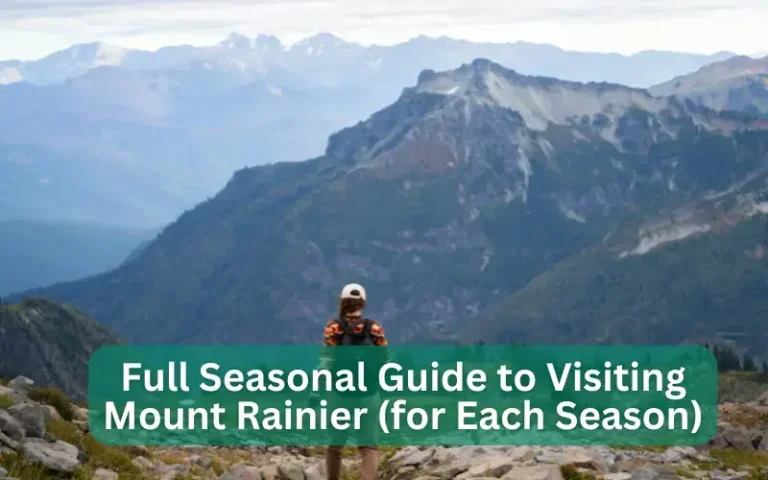
Summer (June to September) is the peak time for hiking, while winter offers the chance for snow activities. However, the spring and fall provide a more tranquil experience with fewer crowds. Read my full seasonal guide to visiting the mount.
Accommodation Options:
Go for Mountain Meadows Inn & Chalet Suites in Ashford that’s just 10 km from Mount Rainier National Park. It offers a sun terrace with garden views, free WiFi, and free private parking. Or check out the best places to stay near Mount Rainier for more comfortable accommodations.
2/ Mount Si – 4,167′
Standing at 4,167 feet, Mount Si is a well-known peak in the Snoqualmie Range and one of the most popular hikes for locals in Seattle. You can see Mount Si from Seattle on clear days. It’s only a 45-minute drive from the city. It was named after Josiah “Uncle Si” Merritt, an early settler.
Activities:
Hiking is the main activity here. The main activity is hiking an 8-mile round-trip trail. It’s a tough climb with a rocky section at the top but offers great views as a reward. The mountain was also featured in “Twin Peaks” TV series.
Scenic Highlights:
From the top, you can see Snoqualmie Valley, North Bend, and Seattle on clear days, surrounded by peaceful wilderness. I highly recommend this half-day tour from the city:
Wildlife:
You might see deer, birds, and small animals. In spring, you’ll find lots of wildflowers along the trail.
How to Get There:
Drive 35 minutes from Seattle (35 miles) using I-90. Remember to get a Discover Pass for parking.
Best Time to Visit:
The best hiking is spring through fall. Avoid winter when trails get a little too snowy.
3/ Olympic Mountains – 7,980′
Olympic Mountains (7,980 feet) The Olympics stand on the Olympic Peninsula, with Mount Olympus as the highest point. These mountains are part of Olympic National Park and are protected as a World Heritage Site.
You cannot see Mount Olympus from Seattle because it’s on the Olympic Peninsula, and other mountains like Mount Constance and The Brothers block the view. The best views of Mount Olympus are from places like Hurricane Ridge in Olympic National Park. But you can obviously see other peaks of the Olympic Mountains from Seattle, such as Mount Constance and The Brothers.
Activities:
Popular activities include hiking (try Enchanted Valley or Hurricane Ridge), camping, fishing, and watching wildlife. You can often see elk and mountain goats.
Scenic Highlights:
See rainforests on the west side, glaciers, and mountain peaks. Hurricane Ridge offers great views of the mountains and Puget Sound.
Wildlife:
The area has 600+ types of plants and animals, including elk, bears, mountain goats, eagles, and falcons.
How to Get There:
It’s about a 2-hour drive from Seattle. Take Highway 101 to reach different parts of the park, including Hurricane Ridge and Sol Duc Hot Springs.
Best Time to Visit:
Summer is the best time for hiking in Seattle, including Olympic Mountains. However, it’s also a popular spot for winter snowshoeing and skiing at Hurricane Ridge.
4/ Mount St. Helens 8,363′
Mount St. Helens is an 8,363-foot volcano famous for its big 1980 eruption. It’s still very active today. The mountain near Seattle, named after a British baron, shows both nature’s power and ability to recover.
Activities:
You can hike to the top, see the blast area, and visit the monument center. The tough Monitor Ridge hike leads to the crater’s edge, while Johnston Ridge Observatory has great views and displays about the eruption.
Scenic Highlights:
Must-see spots on Mt Saint Helens include the eruption area, Spirit Lake, and the crater rim. New plants and animals now thrive in the area. You can see elk, deer, black bears, and eagles.
Wildlife:
The mountain is a 3-hour drive from Seattle on Route 504. The best visiting time to this mountain near Seattle is spring through fall, though winter visits are possible when roads are clear.
How to Get There:
Mount St. Helens is located about 3 hours south of Seattle. Access is via State Route 504, which leads to the Johnston Ridge Observatory.
Best Time to Visit:
Late spring through fall is ideal for hiking and exploring the volcano. Winter brings snow, but roads may be impassable.
5/ Mount Adams – 12,280′
Mount Adams is Washington’s second-highest mountain at 12,280 feet. Named for President Adams, it’s a peaceful place away from crowds. This active stratovolcano in the Cascades is one of the tallest mountains near Seattle.
You can see Mount Adams from some parts of Seattle. But it’s quite challenging to see it from the city as it’s located further east and is blocked by the higher peaks of the Cascade Mountains.
Activities:
Visitors can climb, hike, and camp, with the South Climb being the most used route. The Pacific Crest Trail runs nearby.
Scenic Highlights:
From the top, you can see other mountains including Rainier. Wildlife includes elk, bears, and mountain goats.
Wildlife:
You might encounter elk, black bears, and mountain goats in the area. The diverse plant life is also worth noting, especially at lower elevations.
How to Get There:
Mount Adams is about 4 hours southeast of Seattle. The trailheads are accessible from the Mount Adams Wilderness Area.
Best Time to Visit:
Summer is ideal for hiking and mountaineering, though the mountain is less busy than Rainier or Baker.
6/ Mount Baker – 10,786′
Mount Baker is a tall mountain (10,786 feet) in the northern Cascade Mountains. Native Americans called it Koma Kulshan. People visit all year for snow sports and climbing because of its snowy slopes and glaciers.
You can see Mount Baker from Seattle on a clear day, located 86 miles away, with a 2 and a half hour drive from the city.
Activities:
You can ski, snowboard, and climb the mountain north of Seattle. Many climbers use the Easton Glacier route in summer. There’s a ski area for winter sports, plus hiking trails and lakes for fishing.
Scenic Highlights:
The mountain near Seattle looks beautiful with its snowy peak. You can hike through forests and past mountain lakes, or see the mountain from nearby cities like Bellingham.
Wildlife: You might see mountain goats, black bears, and many types of birds. The forest has lots of different plants too.
How to Get There: Drive about 2.5 hours north of Seattle on Highway 542, near the city of Bellingham.
Best Time to Visit: Come in winter for skiing and snow activities, orin summer for hiking and climbing. The ski season usually runs from November to April with good snow.
7/ Glacier Peak – 10,541′
Glacier Peak (Dakobed in native language) is one of Washington’s most active volcanoes, rising 10,541 feet in the North Cascades. Its remote location makes it less crowded and harder to reach from Seattle. That is why, I included it at the end among the nearby Seattle mountains.
But you can see Glacier Peak from Seattle, although it’s not as prominently visible as Mount Rainier and other mountains. Visibility depends on the weather and your location within the city. On clear days, you can spot it to the northeast, beyond the Cascades. On other days, it’s challenging to see it.
Activities:
The mountain is perfect for skilled hikers and climbers. You can hike, climb, or watch wildlife in the surrounding Glacier Peak Wilderness, which has rough trails and beautiful views.
Scenic Highlights:
From the top, you can see amazing views of mountains, glaciers, lakes, and valleys. The area is home to bears, mountain goats, and many birds. In late summer, wildflowers bloom in the high meadows.
Wildlife:
Glacier Peak’s wilderness is home to black bears, mountain goats, and numerous bird species. The alpine meadows are full of wildflowers in late summer.
How to Get There:
You can drive about 70 miles northeast from Seattle to get to the Glacier Peak. Be ready for a tough hike to the mountain’s base.
Best Time to Visit:
The best time to visit is from late summer to early fall when the weather is good for hiking.
Other Peaks in the Pacific Northwest (For Expert Hikers)
So these were the best mountains to visit from Seattle. You can visit them with eas. But if you want to go further as an expert mountaineer, you would like to conquer these peaks in Washington:
Seattle’s famous hills and mountains have been moved or reshaped by regrading projects. But none was as dramatic as the removal of Denny Hill.

Between 1897 and 1930, the city flattened the hill to make room for development. The goal was simple; create more space for businesses and buildings. Over 4 million cubic yards of dirt were moved across five projects to level the area. This created the flat land now known as the Denny Regrade, today. The regrading reshaped the area between downtown and Queen Anne, changing the city’s retail district.
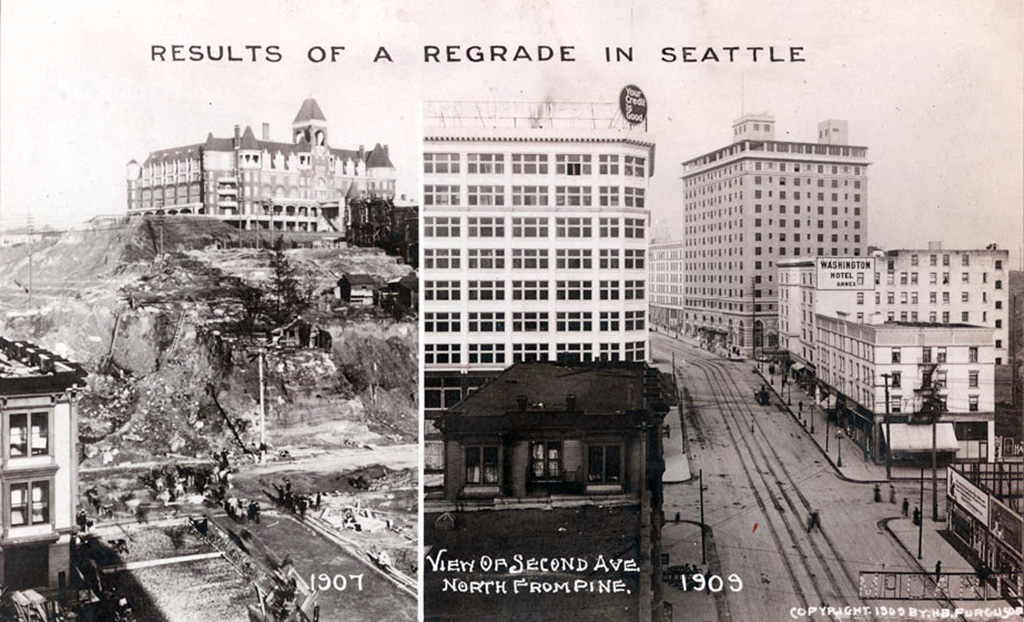
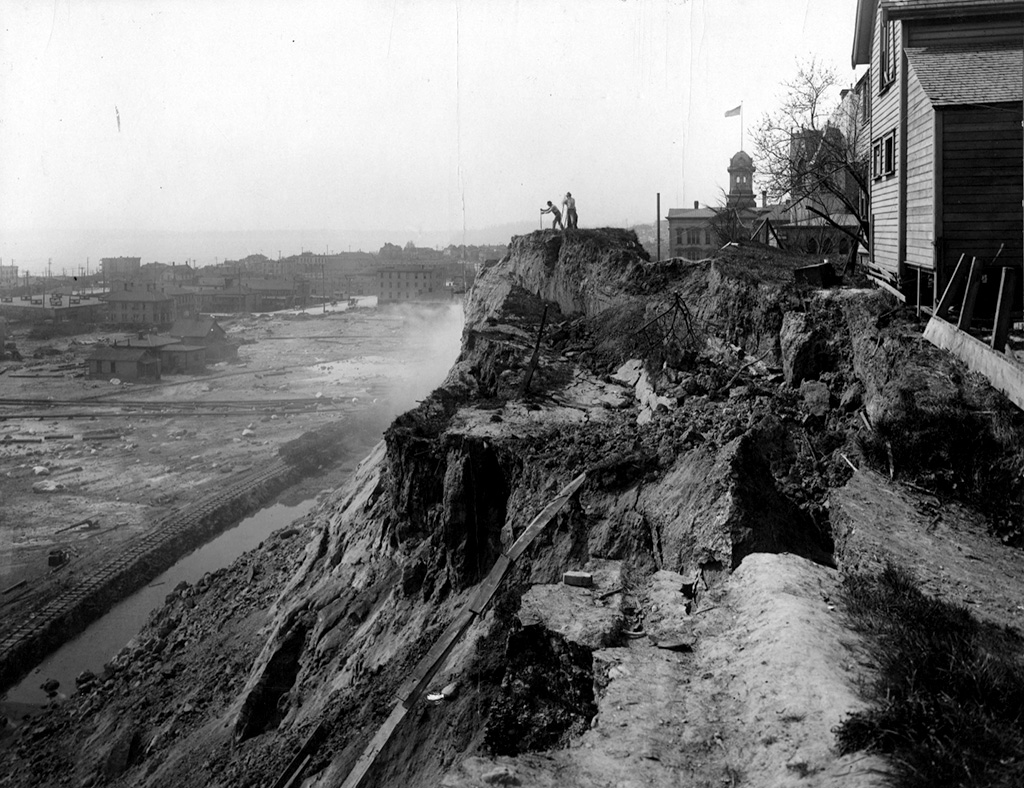
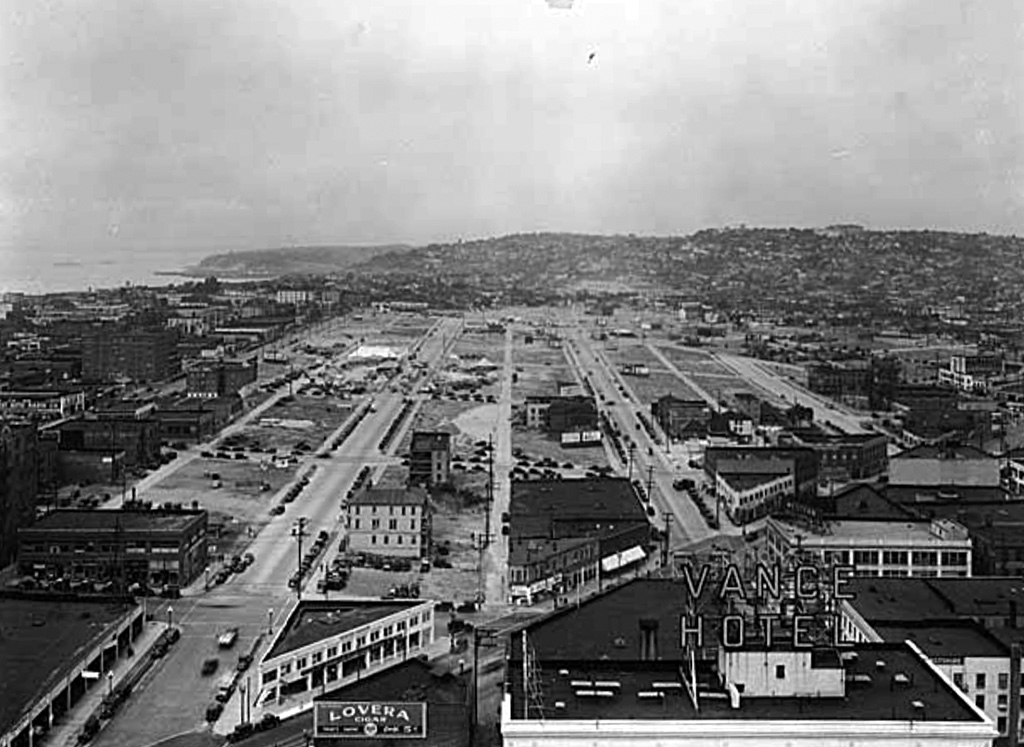
While Denny Hill was removed, other hills like Queen Anne and Capitol Hill also saw some changes. The project dramatically altered Seattle’s landscape, once known for its “Seven Hills,” leaving behind a city much more suited for modern development.